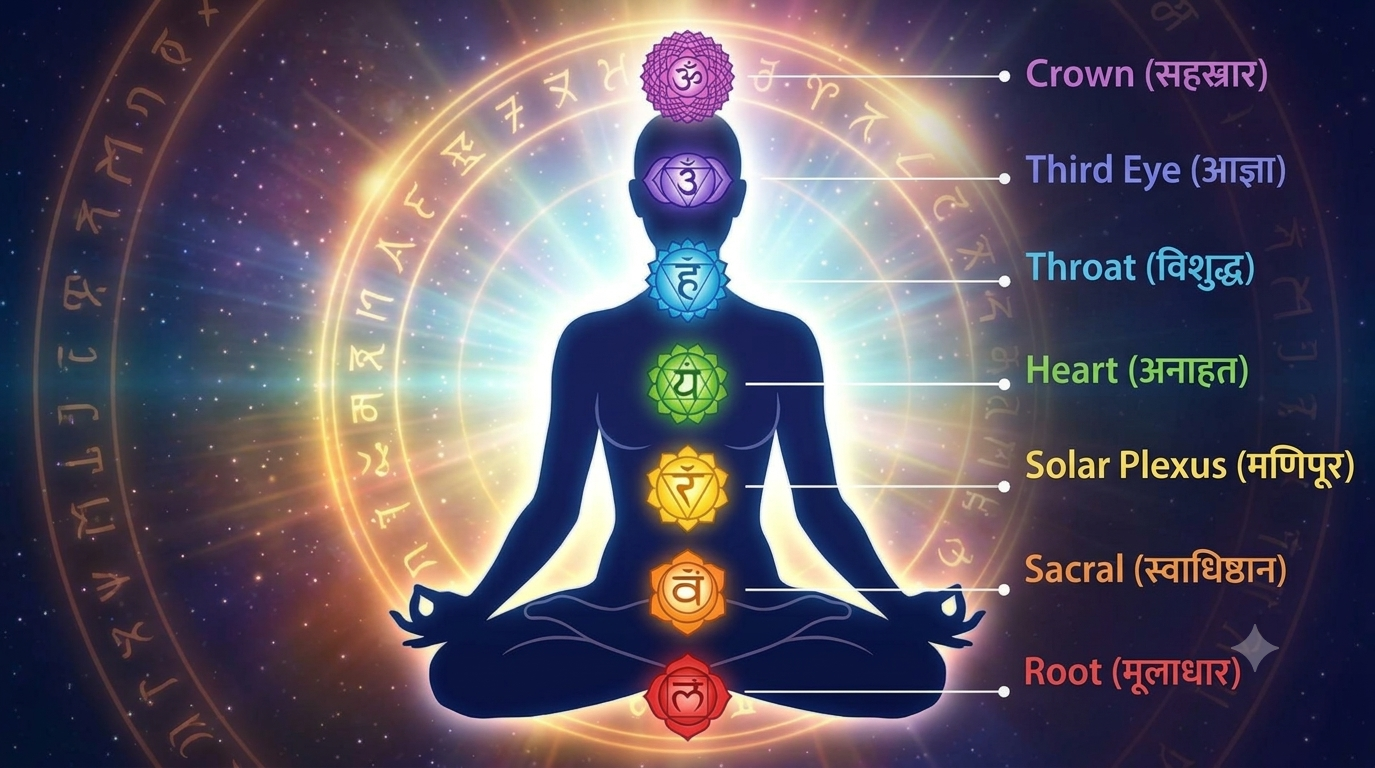
The chakra system maps subtle energy centers along the spine that influence physical health, emotions, and consciousness. Rooted in ancient South Asian practices yet adaptable to modern wellbeing, each of the seven primary chakras corresponds to specific themes—survival, creativity, personal power, love, communication, intuition, and transcendence.
When energy flows freely through these centers, you feel grounded, creative, confident, loving, expressive, clear-headed, and connected. Blockages or imbalances, however, can show up as stiffness, emotional reactivity, creative blocks, chronic fatigue, or confusion.
Here’s a concise guide to each chakra and practical, everyday ways to unblock them:
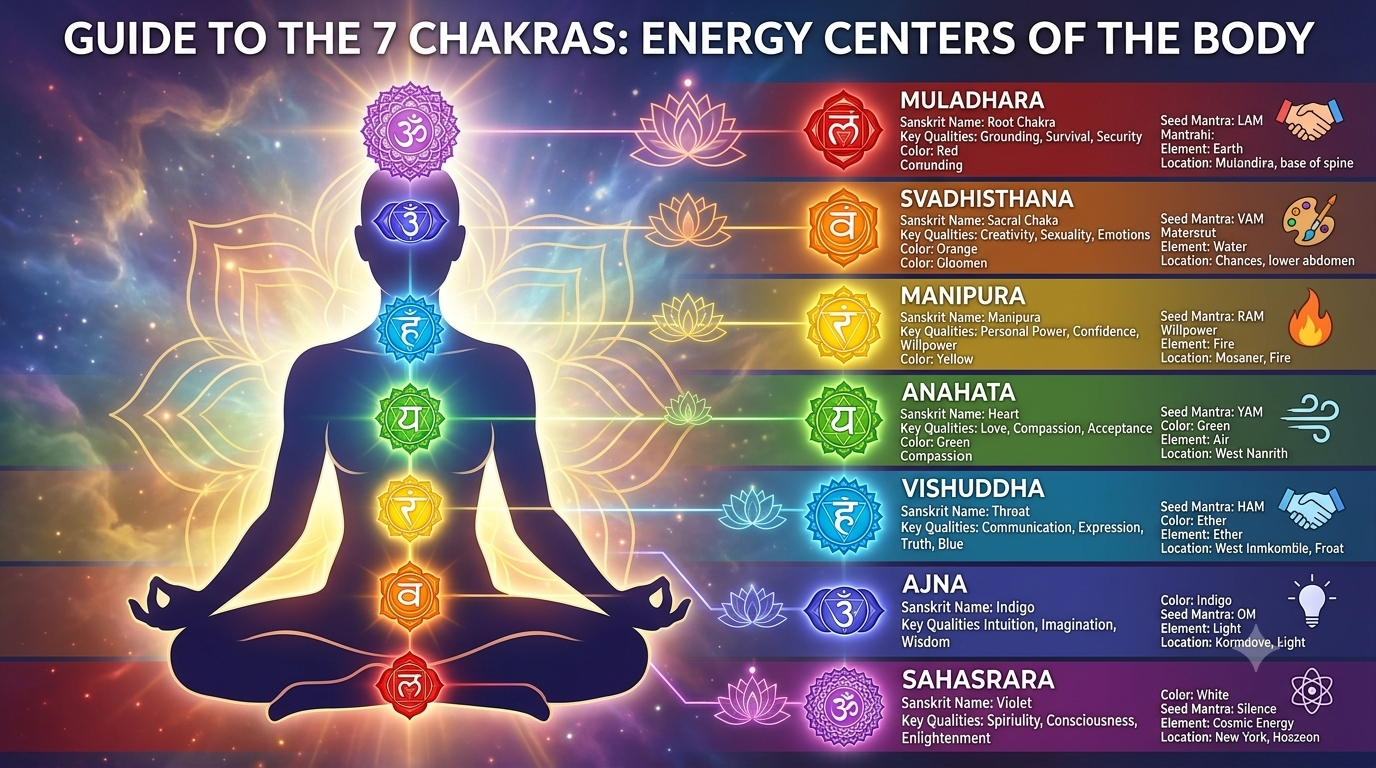
- Root Chakra (Muladhara) — Base of spine. Theme: safety and stability.
Signs of blockage: anxiety, restlessness, financial worry, physical lower-back tension.
How to unblock: Prioritize routine—sleep, meals, and movement. Grounding practices like walking barefoot on grass, standing yoga poses (Tadasana, Warrior I), and simple breath awareness anchor energy. Use dense, warming foods (root vegetables) and reliable rituals (daily intentional check-ins). - Sacral Chakra (Svadhisthana) — Lower abdomen. Theme: creativity and pleasure.
Signs of blockage: creative drought, sexual issues, numbness, guilt.
How to unblock: Reconnect with play—dance, painting, cooking for joy. Hip-opening yoga (Bound Angle, Pigeon), pelvic tilts, and conscious pelvic breathing cultivate flow. Celebrate sensuality through texture, color, and music. - Solar Plexus Chakra (Manipura) — Upper abdomen. Theme: willpower and self-worth.
Signs of blockage: low confidence, procrastination, digestive upset.
How to unblock: Build small, visible wins—complete a task, set a boundary. Core-strengthening exercises, breath of fire (Kapalabhati) sparingly, and empowering affirmations like “I act with clarity” boost personal agency. Spend time in sunlight and wear energizing colors like yellow. - Heart Chakra (Anahata) — Center of chest. Theme: love and balance.
Signs of blockage: difficulty trusting, loneliness, chest tightness.
How to unblock: Practice compassion—both giving and receiving. Heart-opening postures (Camel, Bridge), loving-kindness (metta) meditation, and consciously forgiving exercises release constriction. Acts of service and vulnerability deepen the heart’s flow. - Throat Chakra (Vishuddha) — Throat. Theme: authentic expression.
Signs of blockage: difficulty speaking truth, sore throat, creative silence.
How to unblock: Reclaim your voice by journaling, singing, or speaking in small supportive settings. Neck stretches, chanting simple sounds (like “ham”), and mindful communication exercises encourage clarity. Pause before reacting to ensure authenticity. - Third Eye Chakra (Ajna) — Between the brows. Theme: insight and inner guidance.
Signs of blockage: foggy thinking, poor intuition, head tension.
How to unblock: Cultivate inner silence through meditation, visualization, and focused breath. Gentle forehead massage, eye-rest breaks from screens, and dream journaling sharpen inner sight. Trust small intuitive nudges and test them. - Crown Chakra (Sahasrara) — Top of head. Theme: connection to meaning and unity.
Signs of blockage: cynicism, spiritual disconnect, chronic fatigue.
How to unblock: Foster practices that expand perspective—meditation, nature immersion, contemplative reading. Silence, gratitude rituals, and subtle breath practices help you sense belonging beyond the self. Reduced sensory clutter supports receptivity.
Practical daily routine to keep chakras flowing:
- Morning: grounding breath and a short movement sequence for 10–20 minutes.
- Midday: mindful eating and a brief expressive activity (journaling or hum).
- Evening: restorative yoga or meditation focusing on areas of tension, followed by a gratitude practice.
Remember: chakras are living metaphors for aligning body, mind, and purpose. Start small, observe changes, and combine physical, emotional, and ritual tools. If persistent symptoms interfere with daily life, consult a healthcare professional—chakra work complements but does not replace medical care. With consistent, compassionate practice, energy returns to its natural, balanced flow—supporting wellbeing from your roots to your crown.